5 Steps to Troubleshoot an AC Not Cooling (Easy Guide for Southwest Florida Homeowners)
- Penny

- Mar 21
- 6 min read
It’s 3:00 PM on a Tuesday in July. You’re in your living room in Fort Myers, and you realize you’re sweating. You walk over to the vent, put your hand up, and feel… nothing. Or worse, you feel a gentle puff of lukewarm air.
The panic sets in. You live in Southwest Florida. An ac not cooling isn't just an inconvenience; it’s an emergency. Before you start searching for your credit card or resign yourself to a night of sleeping in front of an open fridge, take a deep breath.
While some AC issues definitely require a pro from FL Stanley Cooling, LLC, a surprising number of cooling problems are actually simple fixes you can handle yourself. We’ve seen it all from Cape Coral to Naples, and we want to help you save that service call fee if it’s something minor.
Here are the five steps every homeowner should take the moment they realize their home is heating up.
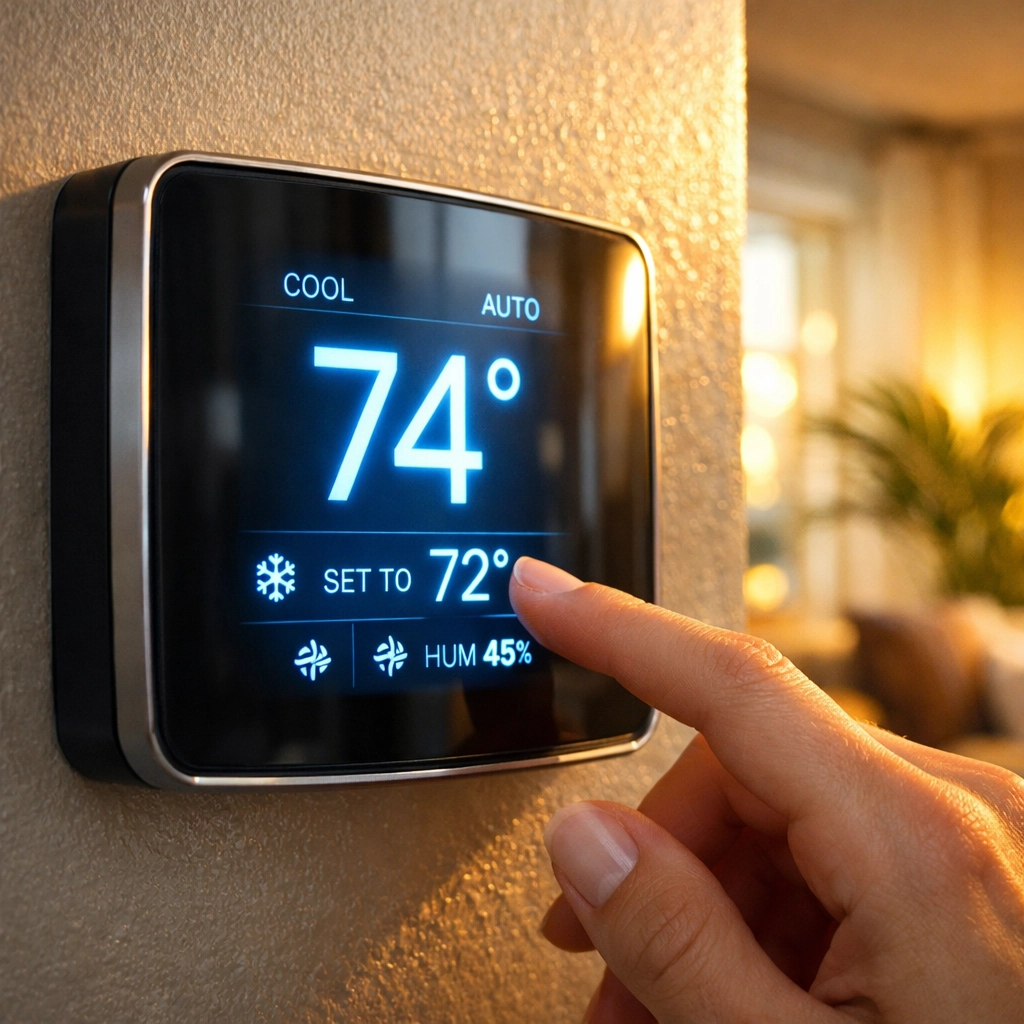
1. Play Detective with Your Thermostat
It sounds almost too simple to mention, right? But you would be shocked at how many times a "broken" AC is just a thermostat set to the wrong mode.
First, check the setting. Is it on "Cool"? Sometimes during a quick dusting or if a kid was playing nearby, it can get bumped to "Heat" or "Off." If it’s on "Cool," check the fan setting. You want the fan set to "Auto," not "On."
When the fan is set to "On," it blows air through your house 24/7, even when the cooling system isn't actually running. This means it’s just circulating the humid, warm air inside your house. When it’s on "Auto," the fan only blows when the air is actually being chilled.
The Pro Tip: Try lowering the temperature by five degrees. If you don’t hear the system kick on within a minute or two, your thermostat might be losing its connection to the unit, or the batteries might simply be dead. Change the batteries before moving to the next step.
2. Face the Filter Truth
If your ac not cooling is the problem, the air filter is the prime suspect. In Southwest Florida, our AC units work harder than almost anywhere else in the country. We have pets, we have pollen, and we have high humidity. All of that gunk ends up in your filter.
When a filter gets too dirty, it acts like a wall. Your AC tries to suck in air to cool it down, but it can’t get past the dust. This causes two big problems:
Low Airflow: You’ll barely feel anything coming out of the vents.
Frozen Coils: Without enough air moving over the evaporator coils, they get too cold and literally turn into a block of ice. Once they are frozen, they can’t cool the air anymore.
Go to your intake, pull that filter out, and hold it up to a light. If you can’t see light through it, it’s done. Replace it immediately. If you see ice on the indoor unit or the copper pipes outside, turn the system off and let it melt for a few hours before trying again with a fresh filter.
3. Check the "Jungle" Around Your Outdoor Unit
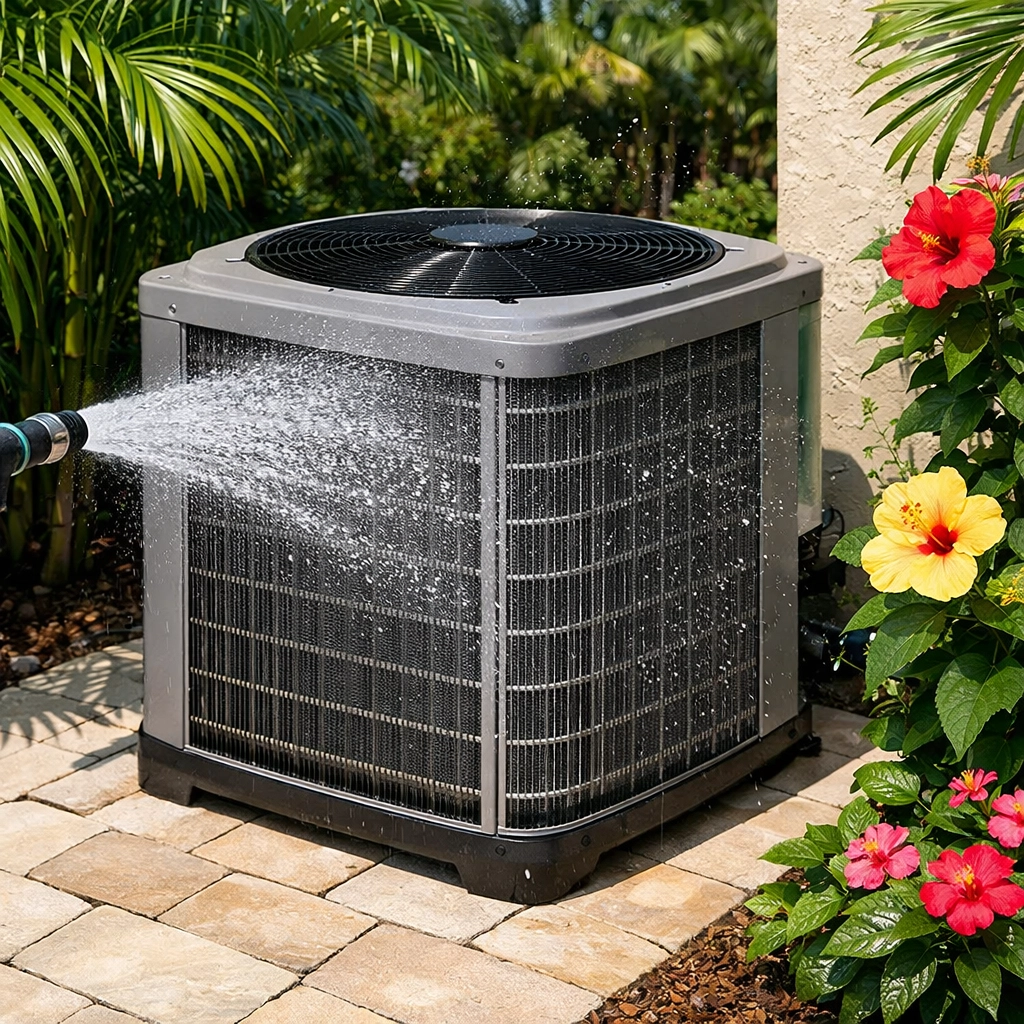
Your outdoor condenser unit is the part of the system that "dumps" the heat from your house into the outside air. To do that, it needs to breathe.
In places like Naples and Cape Coral, tropical plants grow fast. It’s easy for palm fronds, tall grass, or stray mulch to crowd the unit. If the unit is smothered by landscaping, it can’t release the heat. The result? Your ac not cooling effectively, and your energy bills skyrocketing because the system is running constantly but achieving nothing.
What to do:
Clear at least two feet of space all the way around the unit.
Check for "blankets" of dust or lawn clippings on the metal fins.
Gently: and we mean gently: rinse the unit with a garden hose. Don’t use a pressure washer, as that will bend the delicate fins and cause permanent damage.
4. The Vent and Ductwork Walk-Through
Sometimes the AC is working fine, but the air isn't getting to you. This is a common issue in larger homes or rental properties.
Walk through every room in your house. Are the supply vents open? There’s an old myth that closing vents in unused rooms saves money. The reality is that it just creates back-pressure in your ductwork, which can lead to leaks or even blow out your blower motor. Make sure every vent is wide open and unobstructed by furniture or curtains.
While you're at it, peek into your attic or crawlspace if you're feeling adventurous. Look for any obvious gaps in the ductwork. If a duct has come loose, you might be cooling your attic instead of your bedroom. If you see a disconnected pipe, that’s a clear sign you need a professional repair to seal things back up.
5. Flip the Switch (Literally)
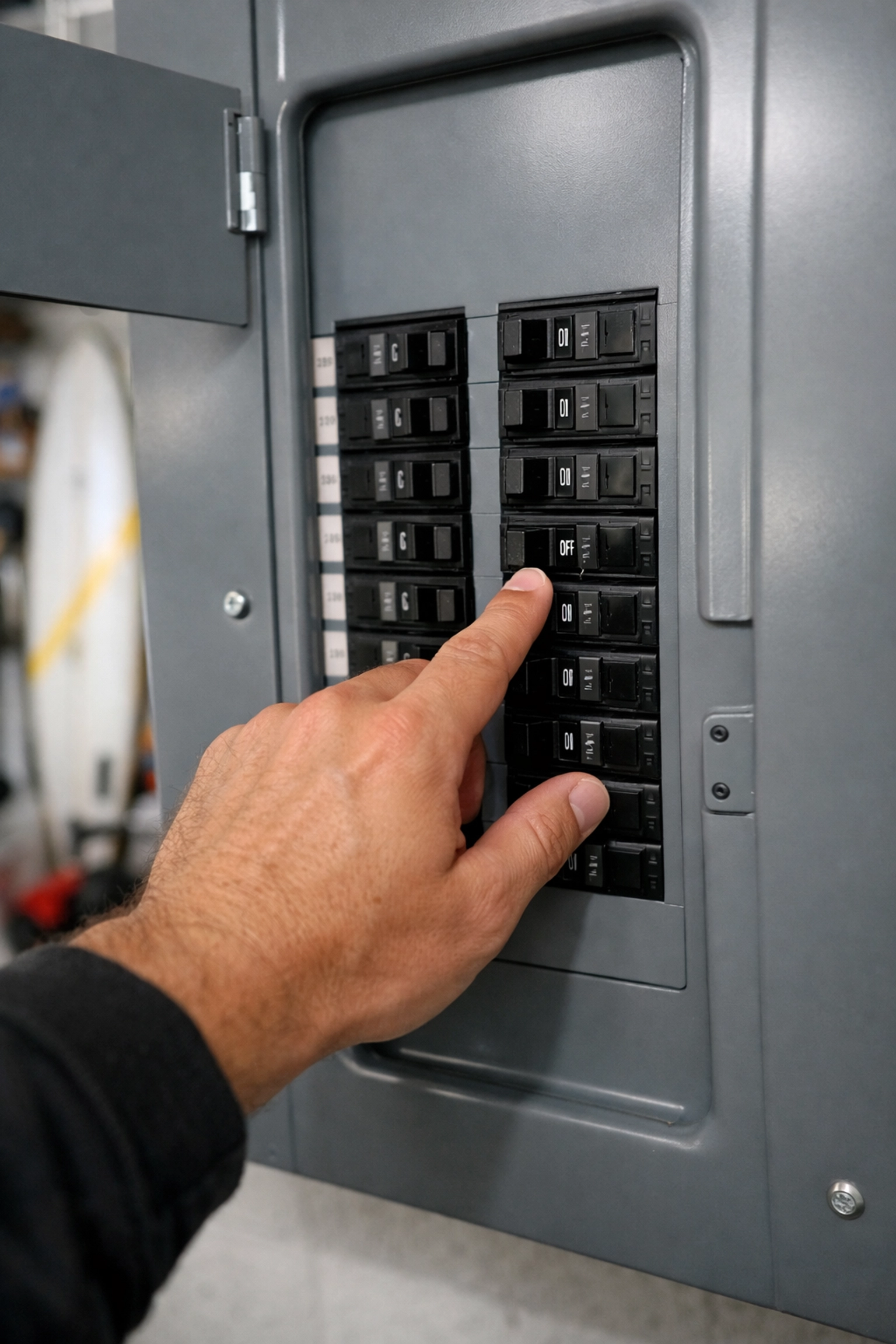
Your AC uses a lot of power. Sometimes, a power surge during a typical Florida afternoon thunderstorm can trip the circuit breaker.
Check your electrical panel (usually located in the garage or on the side of the house). Look for the switch labeled "AC" or "HVAC." Even if it looks like it’s in the "On" position, flip it all the way to "Off" and then back to "On."
Keep in mind that your AC actually has two breakers: one at the main electrical panel and one in a "disconnect box" outside near the condenser unit. If the indoor fan is blowing but the outdoor unit isn't humming, the outdoor breaker might have tripped.
A Word of Caution: If the breaker trips again immediately after you reset it, stop. That’s a sign of a serious electrical short or a failing component. Repeatedly resetting a tripping breaker can cause a fire. This is exactly when you should give us a call at FL Stanley Cooling, LLC.
When "DIY" Isn't Enough
If you’ve gone through these five steps and your home is still climbing toward 85 degrees, the problem is likely something deeper under the hood.
Common issues that require a pro include:
Refrigerant Leaks: If your system is low on "freon," it can't absorb heat. This usually comes with a hissing or bubbling sound.
Failed Capacitors: These are like little batteries that give your motor the "kick" it needs to start. They fail often in the Florida heat.
Clogged Condensate Lines: If your drain line is backed up with algae, a safety switch will shut the whole system down to prevent your house from flooding. This is one of the most common reasons for an ac not cooling in Southwest Florida.
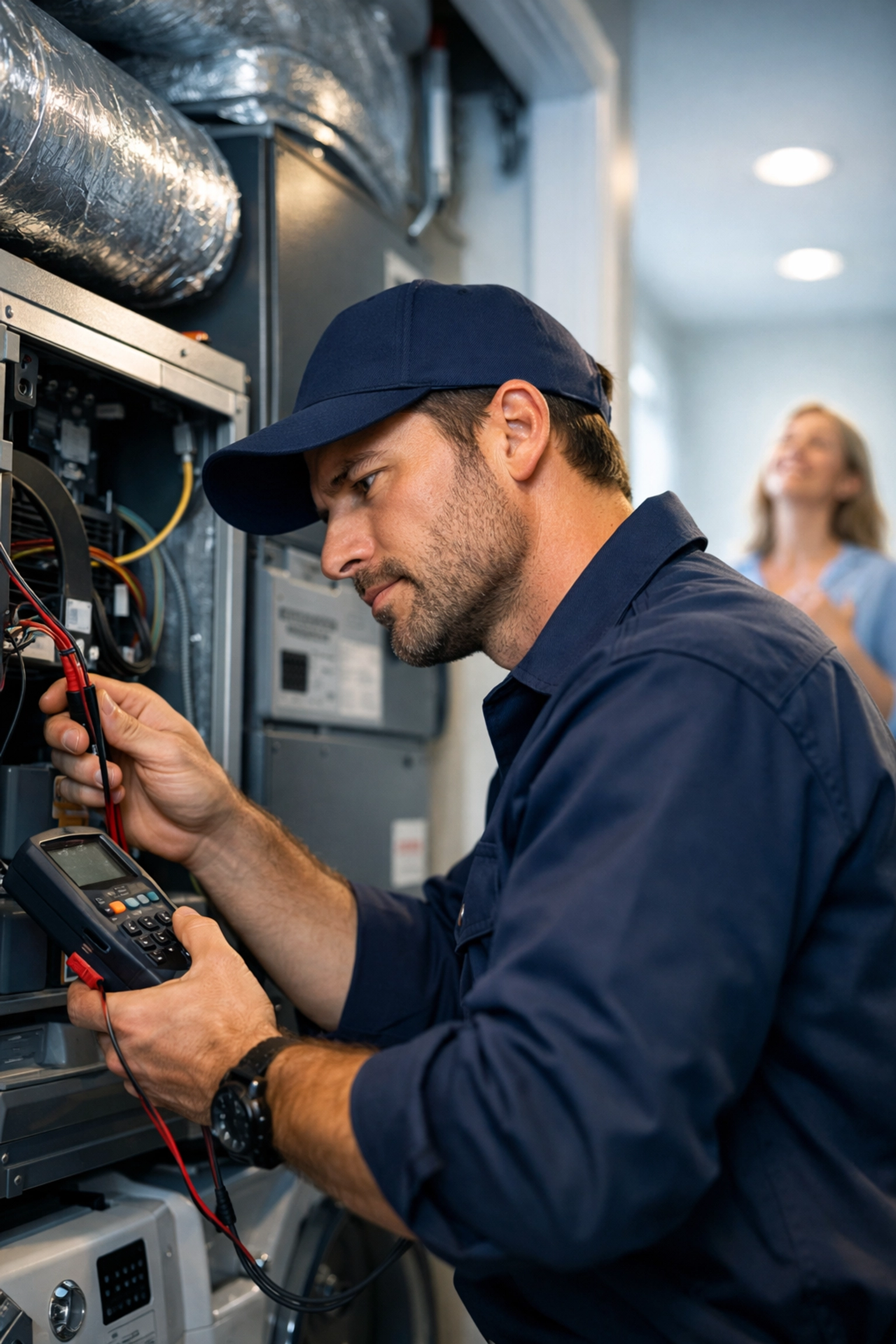
The reality is that your HVAC system is a complex piece of machinery. While these five steps can save you a lot of headaches, they aren't a substitute for professional expertise.
The Power of Preventive Maintenance
The best way to deal with an ac not cooling is to make sure it never happens in the first place. Think of your AC like your car. You wouldn't drive 50,000 miles without an oil change, right?
In Fort Myers and Naples, your AC runs for thousands of hours every year. A routine ac tune up or a long-term hvac maintenance plan ensures that drain lines are cleared, coils are cleaned, and small electrical issues are caught before they turn into 2:00 AM emergencies.
At FL Stanley Cooling, LLC, we pride ourselves on honest diagnostics. We aren't here to sell you a whole new system if a simple repair will get the job done. We know the local neighborhoods, the local weather, and exactly what it takes to keep a home comfortable in the Sunshine State.
Final Thoughts
Living in Southwest Florida means your AC is your lifeline. When it stops working, the clock starts ticking. By following these five steps: checking the thermostat, changing the filter, clearing the outdoor unit, inspecting vents, and checking breakers: you give yourself the best chance of a quick, free fix.
But if those steps don't bring the chill back to your home, don't suffer through the humidity. Whether you're in Cape Coral, Naples, or Fort Myers, we’re ready to help.
Visit us at FL Stanley Cooling, LLC to schedule a service or to learn more about our maintenance plans. Stay cool out there!


Comments