The "Why Is My AC Doing That?" Guide: 5 Noises You Should Never Ignore

If you live in Southwest Florida, your air conditioner isn’t just an appliance; it’s a survival pod. We all know that feeling of walking from the sweltering humidity of a Lee County afternoon into a crisp, cool living room. It’s glorious. But that peace and quiet can be shattered pretty quickly when your AC starts making noises that sound less like a cooling system and more like a garage band practicing in your attic.
At FL Stanley Cooling, LLC, we’ve heard it all. From the "ghost in the machine" thumping to the "angry rattlesnake" hissing, we know that these sounds are your system’s way of screaming for help. Because we are locally owned and operated right here in the heart of SWFL, we know exactly what our local climate does to these machines. The salt air, the relentless heat, and the occasional lizard getting somewhere it shouldn't: it all adds up.
Ignoring a weird noise might seem like a good way to save money in the short term, but in the HVAC world, silence is golden, and noise is expensive. Let’s break down the five sounds you should never ignore if you want to avoid a total system meltdown in the middle of July.
1. The Heavy Metal Drummer: Banging and Clanking
If your outdoor unit or your indoor air handler sounds like someone dropped a bag of hammers into a dryer, you have a problem. Usually, a banging or clanking sound indicates that something has come loose.
In many cases, this is a sign of a loose or broken component within the compressor itself: perhaps a connecting rod, a piston pin, or a crankshaft. Because the compressor is the "heart" of your system, a banging sound there is usually a "stop everything and call us" moment.
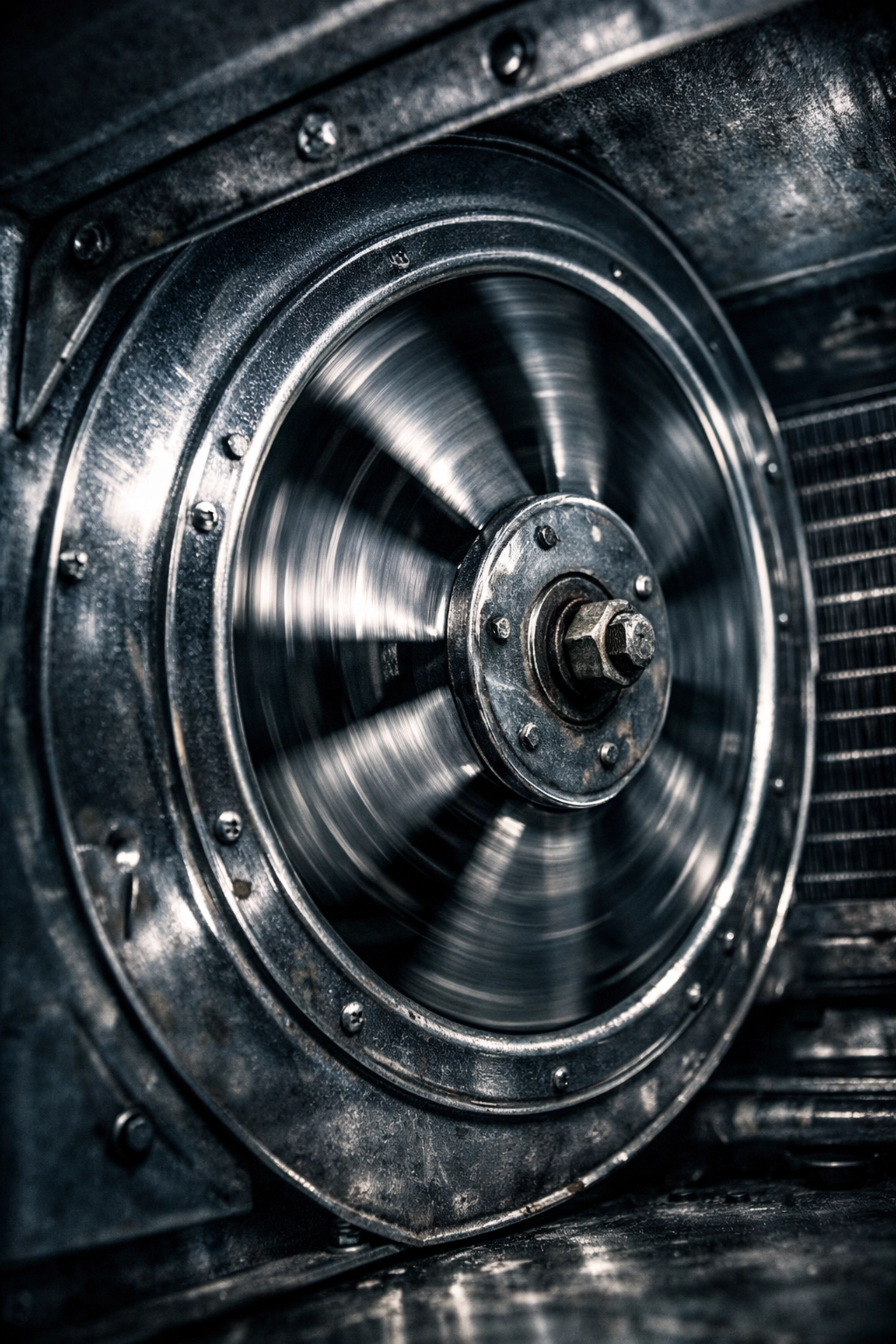
Inside the house, clanking often points toward a detached blower wheel or a loose fan blade hitting the housing. Think of it like a ceiling fan out of balance, but spinning at much higher speeds inside a metal box. If you ignore this, that loose part will eventually break off completely and destroy everything in its path.
The Solution: Shut the system off immediately. Continuing to run an AC that is clanking is like driving a car with a loose wheel: it’s only a matter of time before the damage becomes catastrophic. This is a classic case where searching for ac repair near me is your best bet to save the system before it needs a total replacement.
2. The Angry Reptile: Hissing and Whistling
If you walk past your AC unit and it sounds like a giant snake is hiding inside, you aren't dealing with Florida wildlife (hopefully). Persistent hissing is the universal sound of a refrigerant leak.
Your AC works by circulating refrigerant through a closed loop. It’s not "used up" like gasoline in a car; it stays in the system forever: unless there’s a hole. A high-pitched hiss usually means the gas is escaping under high pressure. Not only does this stop your house from getting cool, but it also forces your compressor to work twice as hard to move the remaining refrigerant, leading to a massive spike in your electric bill.
Whistling, on the other hand, is often an airflow issue. It could be something as simple as a severely clogged filter or a return vent that’s been blocked by furniture. However, it could also indicate a leak in your ductwork. When air is forced through a tiny crack in the ducts at high speed, it creates a whistle.
The Solution: Check your filter first. If it looks like a shag carpet from the 1970s, change it. If the whistling or hissing continues, you need a pro. Refrigerant is a hazardous chemical and requires a licensed technician to handle. You can learn more about how leaks affect your system in our post about AC leaking water and common causes.
3. The Banshee Scream: Screeching and Squealing
There is no sound more hair-raising than a high-pitched screech coming from your HVAC system. It’s loud, it’s piercing, and it usually means metal is rubbing against metal.
In older systems, this is often a belt issue. Much like a squealing fan belt on an old truck, the blower motor belt can slip or fray over time. In newer systems, most motors are direct-drive (no belts), so a screeching sound usually points to failing bearings in the condenser fan motor or the blower motor.
If the sound is coming from the outdoor compressor specifically, it could be a sign of high internal pressure. This is a dangerous situation that can lead to the system automatically shutting down: or worse, a major component failure.
The Solution: Don't try to "oil it" yourself. Modern HVAC motors are often sealed units. If they are screaming, they are usually on their way out. Quick intervention can sometimes save the motor, but if you wait, you’ll be replacing the whole assembly.

4. The Electric Gremlin: Buzzing and Humming
A low hum is normal for an AC: that’s just the sound of power. But a loud, aggressive buzz is a different story altogether.
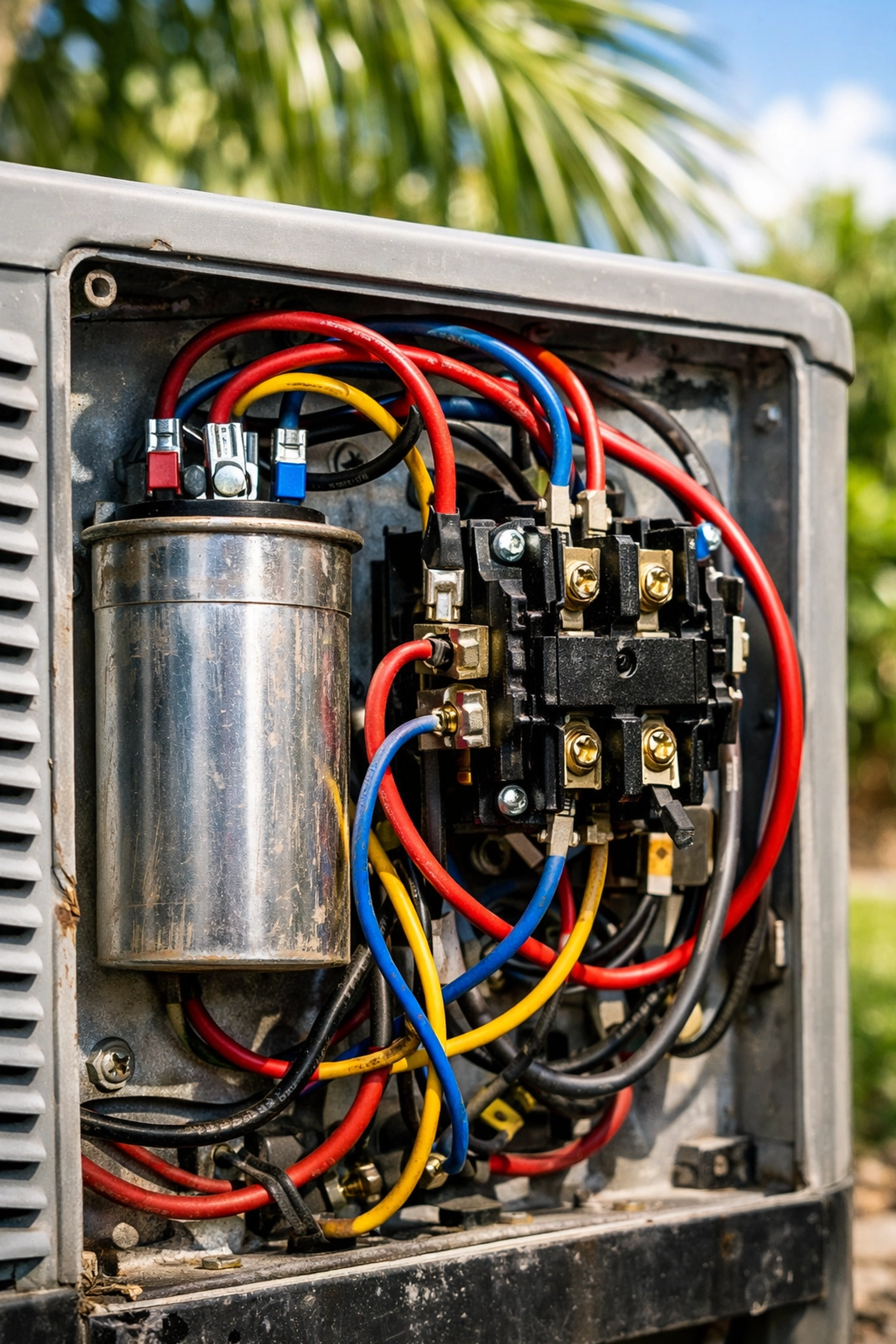
Buzzing usually points to an electrical issue. It could be a failing contactor (the switch that tells the unit to turn on), loose wiring, or a failing capacitor. In Southwest Florida, our frequent afternoon thunderstorms and power surges are notorious for frying these components.
Sometimes, buzzing is mechanical. If the "isolation feet": the rubber bumpers the compressor sits on: dry out and crack due to the Florida heat, the compressor’s vibrations will transfer directly to the metal housing. This creates a loud, vibrating buzz that can be heard throughout the house.
The Solution: Electrical issues are nothing to DIY. Between the high voltage and the risk of fire, this is a job for the experts. Regular ac maintenance can catch these loose wires or bulging capacitors before they leave you sweating in a dark house.
5. The Nervous Tick: Rapid Clicking
Your AC will usually click once or twice when it starts up and shuts down. That’s normal. What isn’t normal is a rapid, rhythmic clicking that sounds like a deck of cards being shuffled.
If the clicking is coming from the thermostat or the control board, it’s often a sign of a communication error or a failing relay. The system is trying to "fire up," but the electrical signal is being interrupted.
If the clicking is coming from the outside unit, it could be something stuck in the fan blades. We’ve seen everything from palm fronds to small pebbles get lodged in there. As the fan spins, it hits the object over and over again, creating a clicking sound that speeds up as the fan gains momentum.
The Solution: Turn off the power at the breaker and check for any visible debris in the outdoor fan. If it’s clear and the clicking persists, the issue is likely electrical.
Why Being Local Matters in Southwest Florida
You might be wondering why these noises seem so common here in Lee County. The reality is that Southwest Florida is one of the harshest environments in the country for HVAC systems. We deal with:
Extreme Humidity: This forces systems to run longer cycles to dehumidify the air.
Salt Air: If you’re near the coast, the salt can corrode your coils faster than you’d think.
Heavy Workloads: Our "winter" lasts about four days. The rest of the year, the AC is running marathons.
FL Stanley Cooling, LLC isn't some giant national franchise that doesn't understand the local landscape. We are your neighbors. We know the specific challenges of keeping a home cool in Fort Myers, Cape Coral, and Estero. When you call us, you aren't just getting a technician; you’re getting someone who knows exactly how the Florida sun affects your equipment.
Don't Wait for the Silence
The only thing worse than a noisy AC is an AC that makes no sound at all because it has finally given up the ghost. Most of these noises are "early warning systems." If you catch a clank or a hiss early, it might be a simple $150 repair. If you wait until the system fails, you could be looking at a multi-thousand dollar replacement.
Prevention is the name of the game. Our AC maintenance plans are designed to catch these issues before they turn into 2:00 AM emergency calls. We check the bearings, tighten the electrical connections, and make sure your refrigerant levels are exactly where they need to be.
If your AC is starting to sound like a haunted house, don't just turn up the TV to drown it out. Give us a call or check out our blog for more tips on keeping your home comfortable. We're here to make sure the only thing you hear this summer is the sound of total relaxation.

Stay tuned for the next part of our series, where we’ll dive into how the Fort Myers heat stacks up against your AC and how to keep your bills low while staying cool!


Comments