Is Your AC Leaking Water? Don't Panic: Try These 3 Quick Checks First

You walk into your laundry room or head out to the garage, and there it is: a shimmering puddle of water right beneath your air conditioning unit. Your heart sinks. You start imagining ruined floorboards, mold growth, and a repair bill that eats up your vacation fund.
Stop right there. Take a breath.
While a leaking AC unit isn't exactly "good" news, it’s often a symptom of something simple rather than a total system collapse. In the sweltering Florida heat, your AC is basically a giant dehumidifier. It pulls gallons of moisture out of the air every single day. When that water stops going where it’s supposed to, it ends up on your floor.
Before you start searching for emergency AC repair, there are three quick checks you can do yourself. These steps might save you a service call or, at the very least, help you explain the situation more clearly when you call the team at FL Stanley Cooling, LLC.
1. The Air Filter: The Most Common (and Forgotten) Culprit
It sounds too simple to be true, but a dirty air filter is the leading cause of AC water leaks. You’re probably wondering: How does a dusty filter lead to a puddle of water?
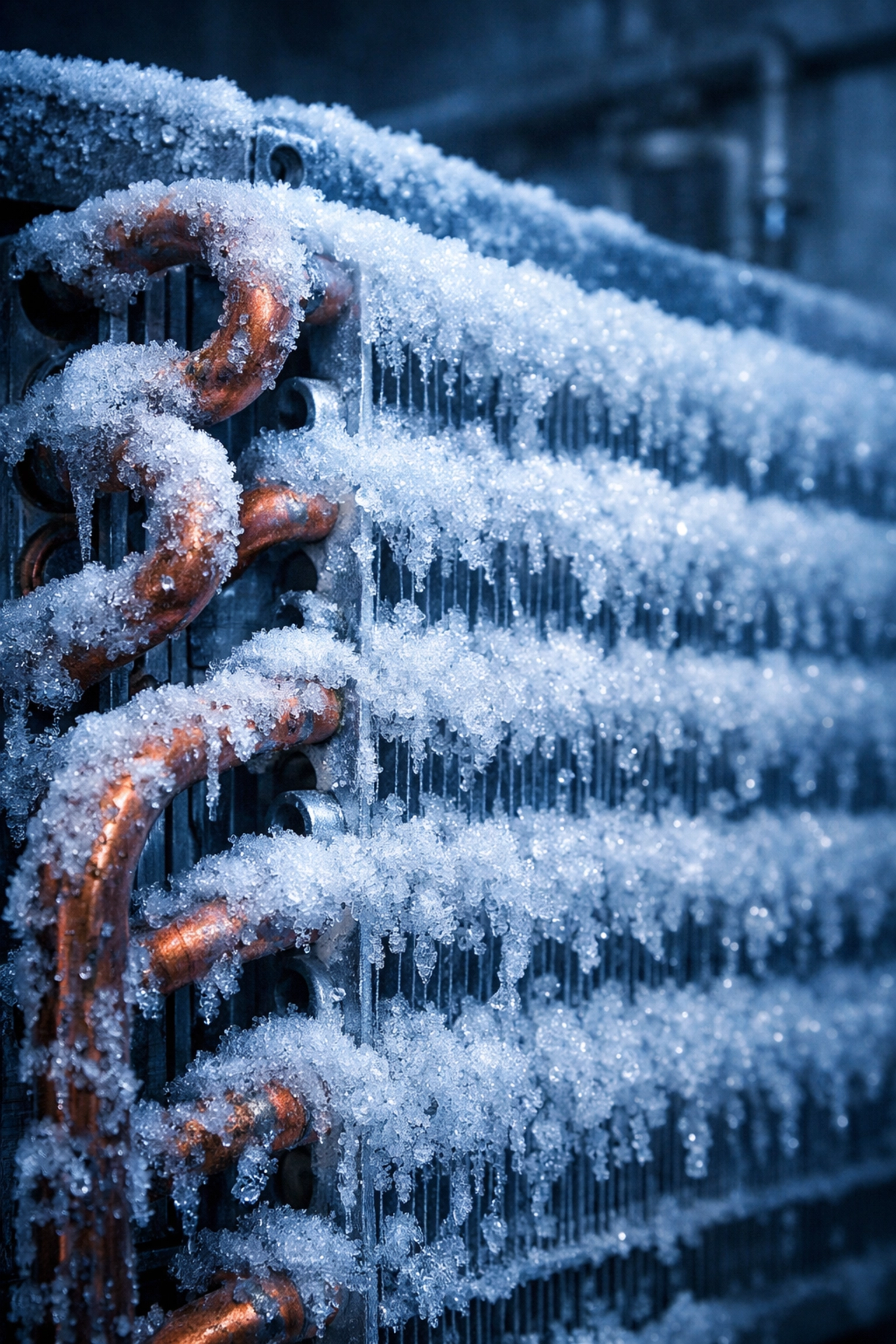
It all comes down to airflow. Your AC works by blowing warm indoor air over a very cold evaporator coil. When the air filter is clogged with dust, pet hair, and debris, the airflow is restricted. Without enough warm air passing over that cold coil, the refrigerant inside stays too cold. Eventually, the moisture that normally condenses on the coil turns into ice.
You now have a literal block of ice inside your air handler. When that ice starts to melt: usually when the system cycles off or can't keep up: it produces way more water than your drainage system was designed to handle. The result? An overflowing drain pan and a wet floor.
What to do:
Turn the system off: If you see ice on the copper lines or the unit itself, turn the AC off immediately. Running it will only make the ice block bigger.
Check the filter: Pull it out. If you can’t see light through it, it’s dead.
Replace it: Pop in a fresh filter.
Wait for the thaw: Let the ice melt completely before turning the system back on. This could take a few hours.
If you find yourself constantly forgetting this task, check out our HVAC maintenance tips for a schedule that works for your home.
2. The Condensate Drain Line: The "Gunk" Factor
In Lee County, we deal with high humidity and high temperatures. That combination is a breeding ground for algae, mold, and "white slime" inside your AC’s condensate drain line.
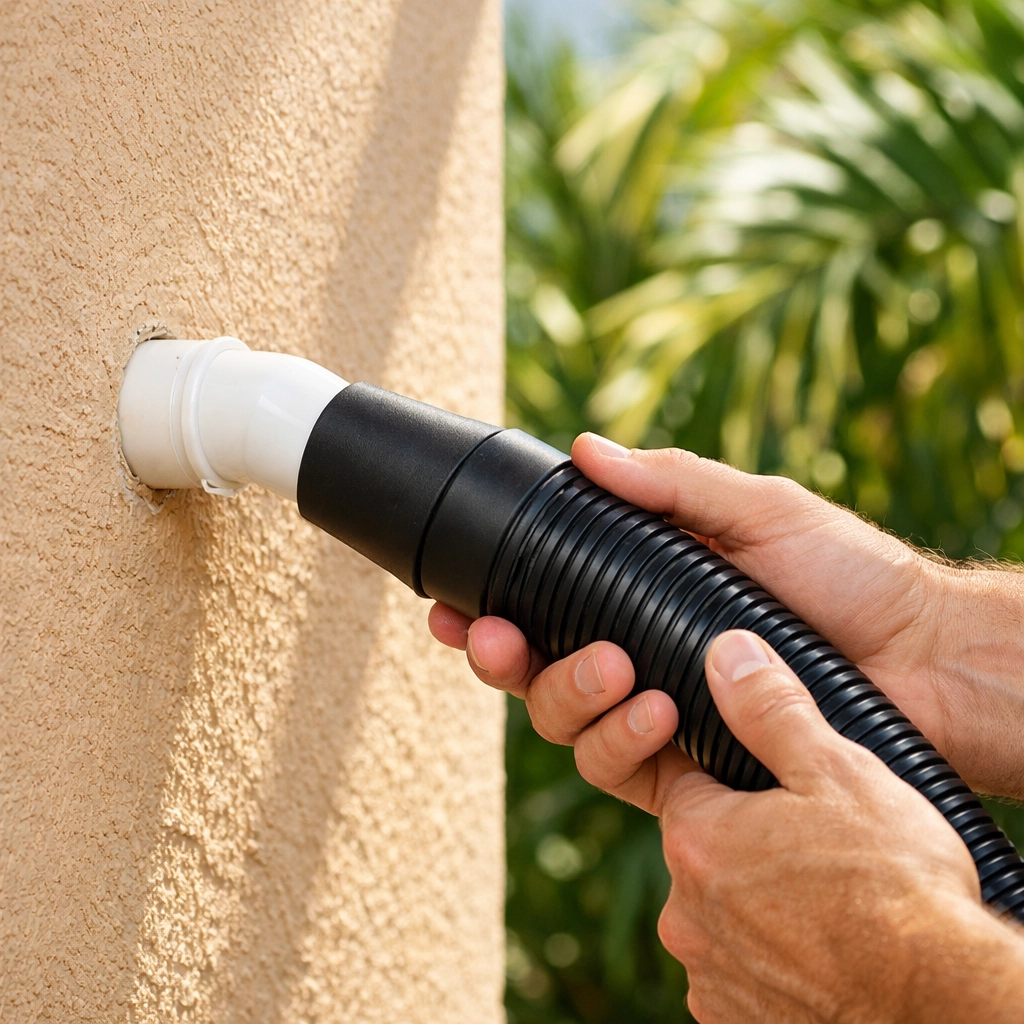
The drain line is that white PVC pipe you see running from your indoor unit to the outside of your house. Its job is to carry the collected moisture safely away. Over time, dust and microbes settle in the pipe, creating a thick sludge that acts like a cork. When the water can't go out the pipe, it backs up into the unit and spills over.
How to check for a clog:
Find the exit: Go outside and locate where the PVC pipe ends. Is it dripping? If the AC is running and the pipe is bone dry while your floor is wet, you’ve got a clog.
Check the "T" pipe: Most indoor units have a T-shaped access point on the drain line. Carefully remove the cap. If you see standing water right up to the brim, the line is blocked.
The Wet/Dry Vac Trick: This is a pro-level DIY move. Take a heavy-duty shop vac to the outside end of the drain line. Seal the connection with a wet rag and run the vacuum for about 30 seconds. You might be surprised (and disgusted) by the amount of brown gunk you pull out.
Clearing a clog early can prevent the need for emergency AC repair later that night when the system finally shuts down completely.
3. The Drain Pan: Inspecting for Wear and Tear
If your filter is clean and your drain line is flowing, the problem might be the pan itself. Most AC units have a primary drain pan located directly under the evaporator coils.
If you have an older system, this pan might be made of metal. Over years of sitting in water, metal pans can rust through, creating small pinholes or large cracks. Even plastic pans can crack if the unit was shifted or if someone stepped on it during a previous DIY attempt.
How to inspect the pan:
Grab a flashlight: Get a clear view of the pan under the coils.
Look for standing water: A small amount of water is normal, but it shouldn't be deep.
Check for cracks/rust: Use a rag to wipe away any debris so you can see the bottom of the pan clearly.
If the pan is cracked, it needs to be replaced. This isn't usually a DIY job because it often requires dismantling part of the air handler. At this point, it’s time to look for AC repair near me to get a professional evaluation.
Why You Shouldn’t Ignore a "Small" Leak
It’s tempting to just put a towel down and tell yourself you'll deal with it on the weekend. Don't do that. Water and electricity are a dangerous mix, and even a small leak can lead to:
Mold and Mildew: It only takes 24-48 hours for mold to start growing in damp drywall or carpet. Once it starts, it's expensive to remediate.
Structural Damage: Water can seep under floorboards, rotting the subfloor and damaging the ceiling if your unit is in the attic.
System Shutdown: Many modern units have a "float switch." This is a safety device that kills power to your AC if it detects standing water. While it saves your floors, it means you’ll be sitting in a 90-degree house until a tech arrives.
When the Quick Checks Aren't Enough
Sometimes, the leak is a symptom of something more technical. If you’ve checked the filter, cleared the line, and the pan looks fine, you might be facing one of these issues:
Low Refrigerant: If your system is low on Freon (refrigerant), the pressure drops, causing the coils to freeze. This is almost always caused by a leak in the refrigerant lines, which requires specialized tools to find and fix.
Broken Condensate Pump: If your AC is in a basement or a spot where water can’t gravity-drain, you likely have a small pump to push the water out. If that pump fails, the water has nowhere to go but your floor.
Improper Installation: If the unit isn't level, the water might be missing the drain hole entirely and dripping off the back of the coil.
For these issues, you need a professional who knows the ins and outs of expert AC repair services.

The FL Stanley Cooling Difference
At FL Stanley Cooling, LLC, we’ve seen every type of leak imaginable. From "landlord specials" with clogged pipes to high-tech systems with failed sensors, we know how to diagnose the problem quickly. We prioritize clear communication and honest pricing because we know how stressful a home repair can be.
If you’ve tried the three checks above and your AC is still leaking, don't wait for the damage to get worse. We offer comprehensive AC maintenance to catch these problems before they start, and rapid-response repair when things go wrong.
Is your AC currently acting up? Don't let a small drip turn into a big disaster. Visit our main page to schedule an appointment or browse our blog for more troubleshooting guides.
Remember: Your AC works hard for you in this Florida heat. A little bit of attention to your air filter and drain lines can go a long way in keeping your home dry and your air cool. Stay cool, Lee County!


Comments